
Best Classic Legend of Zelda Games Ranked (NES to GameCube Era)
Breath of the Wild may be the Zelda game that introduced modern gamers to the franchise, but the original title was released on the NES. The franchise experimented with various…

Breath of the Wild may be the Zelda game that introduced modern gamers to the franchise, but the original title was released on the NES. The franchise experimented with various elements and mechanics, with some working and others not. However, the traditional Zelda formula stuck to the games and is what made them popular. Here are the best classic Legend of Zelda titles ranked, based on their narrative, gameplay, and influence.
8. Zelda II: The Adventure of Link

This is the direct sequel to the original The Legend of Zelda, which kickstarted the popular fantasy-themed adventure video game. The Adventure of Link also features a quest similar to the original game, as Link is tasked with finding the Triforce of Courage to awaken Princess Zelda from a sleeping spell. A major deviation in the game is that it uses a side-scrolling perspective for combat and action sequences. It also introduced RPG elements, such as experience, upgrades, spells, and items that can improve abilities.
The biggest issue with The Adventure of Link is that it moves away from the Zelda formula too much. The Adventure of Link prioritized side-scrolling combat and RPG-style character progression, which made the game stand out for the wrong reasons. A Link to the Past, the next Zelda title, returned to the formula that the franchise became popular for.
7. The Legend of Zelda

The game that started the journey of Link and introduced fans to Hyrule, Princess Zelda, and the evil Ganon. The Legend of Zelda had a straightforward premise, where Link had to explore Hyrule to find eight fragments of the Triforce of Wisdom. This adventure takes Link to caves and dungeons, where he can find loot and battle enemies. The original game also featured the element where Link had to find his gear and learn his way around Hyrule to advance efficiently.
Other Zelda titles have expanded on the formula of The Legend of Zelda, which has made the original game feel outdated in comparison. Despite this, the game established the popular formula that combined exploration, items, dungeons, puzzles, and the everlasting relationship between Link, Zelda, and Ganon, which future games have since expanded on. The game offered players substantial freedom in how they traveled the world, but was limited in the narrative and character development.
6. The Legend of Zelda: Link’s Awakening

Link’s Awakening is the first mainline game in the franchise that was developed for a handheld Nintendo device. The game started off with Link washing ashore on Koholint Island after a storm. Link is tasked with collecting eight magical instruments and awakening the mysterious Wind Fish to leave the island. The game isn’t set on Hyrule, which is the usual location for many Zelda games, and there are unique NPCs and locations.
Link’s Awakening was a solid game for the Game Boy, and the trading sequence encouraged players to interact with the NPCs. The narrative deviated from the usual protect Hyrule from Ganon with the help of Zelda, but that isn’t necessarily a bad thing. The drawback is that a handheld Zelda game had to limit the scale and elaborate mechanics that the franchise is known for.
5. The Legend of Zelda: The Wind Waker
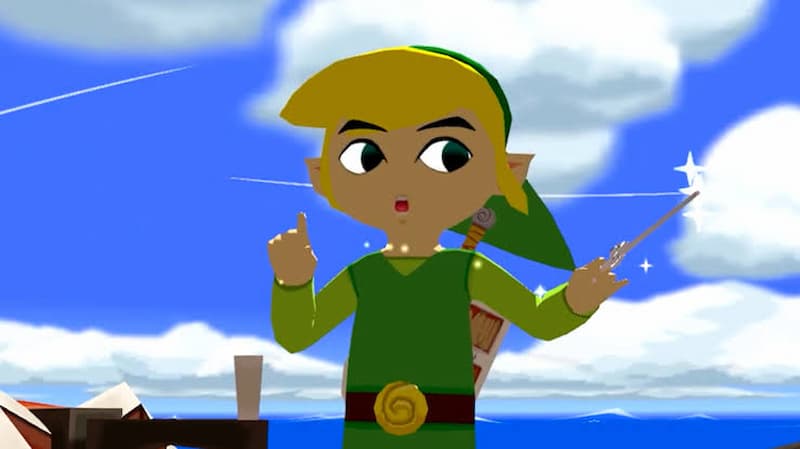
The Wind Waker has a more personal narrative for Link, as his adventure begins when his sister is kidnapped by a giant bird. Link journeys to rescue his sister, which leads him across the Great Sea and into a larger quest, which unsurprisingly involves Ganondorf. Wind Waker is the first Zelda game to make sailing a crucial traversal method, which Link uses to travel between islands. It also introduces a new gameplay item, the Wind Waker baton, which Link can use to control the wind and advance.
Wind Waker still has the traditional Zelda gameplay, including boss fights, puzzles, and exploration, but the game has an individual personality of its own. Sailing isn’t the only thing that sets it apart from other Zelda titles, but the NPCs and the art style are also distinct. A common issue is that a significant amount of time is spent onboard a ship, which can get boring and monotonous quickly.
4. The Legend of Zelda: A Link to the Past

A Link to the Past has a simple premise where you are tasked with stopping the evil wizard Agahnim, who is trying to help bring back Ganon from the Sacred Realm by breaking the seal that is keeping him trapped. You can travel between Hyrule’s Light World and the corrupted Dark World throughout your journey. This changes how exploration works, as Link has to travel between the two worlds to solve puzzles and access locations that can’t be unlocked from just one side.
A Link to the Past features all the popular Zelda items, such as the Hookshot and Master Sword. The game deviated from Zelda II: The Adventure of Link, as it returned to the tried-and-tested formula of combining combat, puzzles, and exploration. A Link to the Past is a solid Zelda game, which cemented the formula that has defined the franchise’s modern games. But it isn’t higher on the ranking, simply because there are still some classic Zelda titles that brought useful mechanics, such as Z-targeting or a time loop element that affected the narrative.
3. The Legend of Zelda: Twilight Princess
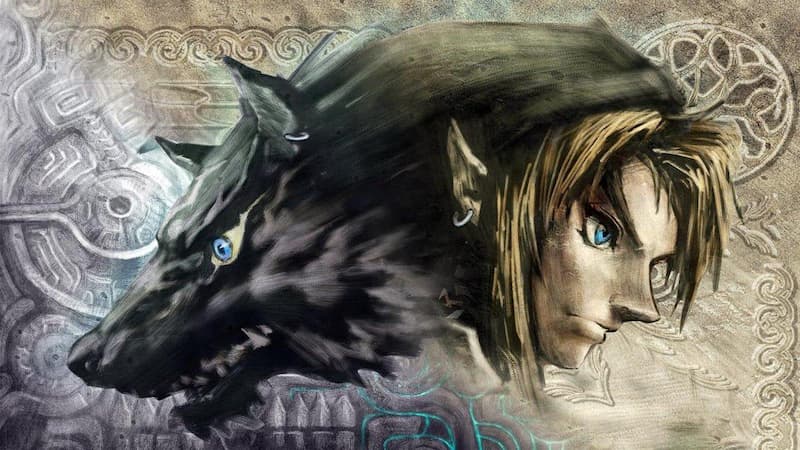
Twilight Princess is one of the newer titles on this list, and its Wii version brought motion-based controls, which changed the gameplay significantly. The game starts off with a young Link who meets Midna and is tasked with stopping the Twilight from spreading across Hyrule. It introduces a new mechanic, as Link can transform into a wolf while he’s in the Twilight Realm. This gives Link new abilities and changes how combat, exploration, and puzzle solving work.
Twilight Princess is one of the few Zelda games that have a darker tone rather than the cheerful vibe that the franchise is known for. The game has a strong narrative, as Link builds a rapport with Midna, which adds an emotional element and also gives Twilight Princess a strong character. It still has the usual sword combat, but the wolf transformation is a crucial element, which may not resonate with some players and is also why the game isn’t ranked higher.
2. The Legend of Zelda: Majora’s Mask

Majora’s Mask is a direct sequel to the massively popular Ocarina of Time, and the game increases the importance of time, which was already a crucial element in OoT. Link travels to Termina, where a Skull Kid corrupted by an evil mask is bent on destroying the world in three days. The game introduces a time travel mechanic, where Link returns to the first day each time the cycle ends. This means Link has to complete certain tasks on certain days, some things must be redone, and players have to strategize on how to use time to their advantage.
Masks are also a crucial element in the game, with Link having the ability to transform into different forms, such as Deku Scrub, Goron, and Zora. Each form provides Link with unique abilities that come in handy, as they are necessary to complete the game’s temples. Majora’s Mask has a creepy vibe, and the narrative focuses on grief, loss, and the fear of a future disaster. The time loop provides a unique element, where players have to keep track of NPC schedules to complete tasks. However, this mechanic also stops the game from being ranked number one, as some players feel they have to put in more effort because of the time loop.
1. The Legend of Zelda: Ocarina of Time

Ocarina of Time is arguably the most influential classic Zelda game, and Nintendo announced a ground-up remake in 2026, after years of fan requests. The game features Link as a child, who learns that his destiny requires him to gather the Spiritual Stones and unlock the Door of Time to stop Ganondorf from achieving his evil goals. However, nothing works out perfectly in games, and Ocarina of Time is no different. Link awakens after seven years to a corrupted Hyrule, where he must battle Ganondorf and his minions.
Ocarina of Time was the first Zelda game that introduced Z-targeting, which became a staple of the franchise and even inspired other games. The Zelda title had memorable locations, NPCs, dungeons, and a beautiful soundtrack. The difference between Child and Adult Link is evident, and players can immerse themselves in the sadness that the protagonist feels at losing his childhood and the bittersweet moment when he finally defeats Ganondorf. The ending is interesting as Princess Zelda sends Link back in time, but the character’s journey has ensured that he is no longer a normal child.

Khizar Mundia
Khizar Mundia is a lifelong gamer who has been gaming since the days of the first PlayStation. Not having any platform bias and loving all genres equally, Khizar ensures his work reflects his desire to share his thoughts with others. He has written for multiple outlets and covered various topics, but video games are his go-to.


